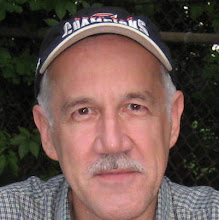
Monday the 6th of October: we all gathered in the lobby of the B&B Hotel Milladoiro for our final 7km walk to the Cathedral. Down hill through a beautiful woodland, then along asphalt side roads under and over highways, through the suburbs – when faced with an alternate (more level, less built–up) route, we chose the shorter route through the city streets. Father Colin split off at one point because his lodging was booked nearby and he wanted to drop off his backpack there. The remaining five of us soldiered on, occasionally wondering about this turn or that turn; but by this time the cathedral was generally in sight. We chose less-trafficked streets, along old colonnaded market roads, to the grand plaza of the cathedral where we posed for the requisite celebratory selfie photos; then we sought the Pilgrim Office. Wandering around trying to follow obscure GPS directions, we finally found it and waited in the blessedly-short queues to get our official Compostela.

Father Colin had just arrived – he knew the direct route! It was now 11am. We all returned up to the plaza and planned to join the queue for the 12noon Pilgrim Mass. Lisa and PJ went to their nearby hotel to stash their backpacks, while Karen and I sought a nearby post-office that offered storage. We then separately joined the long queue to enter the cathedral – as happened last year, we gained entry but not in time for a seat in the pews.

We sat awkwardly on the base of the stone pillars; we chanced to find Lisa & PJ, so the five of us were together again.

Unbeknownst to us, this particular worship service concluded with the swinging of the immense censer; and we were seated near the rope that controlled the swing!

Five, then seven men in decorative scarlet robes held onto the rope and pulled it synchronously to make the censer swing across the T of the cross (shape of the building) almost to the cathedral ceiling, quite impressive. Distracting from the gravity of the ceremony were the dozens of onlookers holding up their phones to video the process, because our eyes naturally gravitate to watching bright colorful screens, and not the thing In Real Life!
We then filed out, met Father Colin by the fountain; he guided us to a distant uncrowded restaurant where he had our final meal together – he surprised us by paying the bill as thanks for our participation in the pilgrimage!
The Hike is Over
Barb and I walked back up to the cathedral and the shopping area, purchasing some souvenirs, then walked down to the train/bus station to plan and buy tickets for our return to Porto the next day. That was complicated by the fact that the train to Porto only runs twice a day, and I needed to be back in time for my first Portuguese language class at 7pm. So we booked the train to Vigo, then bus from Vigo to Porto. We then found a taxi to take us back to B&B Hotel Milladoiro. I walked out to seek a barbershop, but both nearby shops were full, overbooked. We then went to an early dinner at the nearby fancy-burger place. We then chatted with the desk clerk at the hotel, Alba, a young woman from Mexico who had immigrated with her Spanish husband a few years ago – she described the subtle discrimination she feels because of her accent, and because she's not a native resident, even after three years in Santiago. It's something probably felt somewhat even by folks moving from southern Spain to this proudly-Galician province, but exacerbated by her accent and the typical suspicion of immigrants.
It's over. Tomorrow, back home to regular life in the paradise that is Porto. My feet are sore, but otherwise I'm in surprisingly good shape. Will there be another camino, now that I've done this twice? Perhaps a shorter version, from A Coruña in the north? Watch this space.
I collected some of our photos in a google-photo-album 2025CaminoDeSantiago. For reference sake, here's a link to the previous year's 2024Camino album. We took the same basic route both times.
Comments
Post a Comment